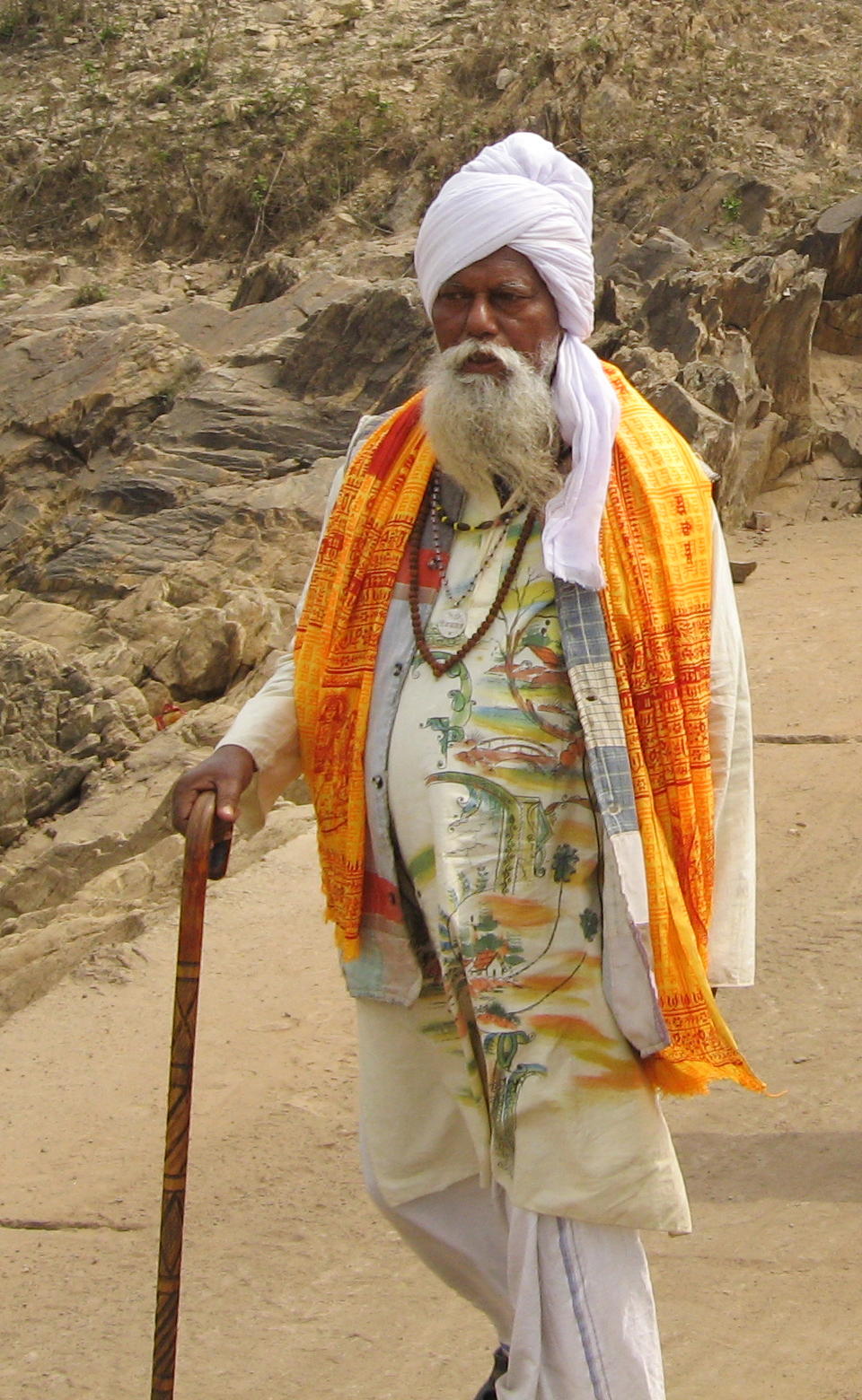
Salabat Mahato


In the world of music Gurus are of two types. One is a teacher who transfers his skills, knowledge and determination to his students. Another is a Guru who devotes his life for a particular art form and becomes a legend and a patron. Salabat Mahato is notable for both.
The revival of the traditional Jhumur song in the regions of Bengal, Bihar Jharkhand and Orissa was through the skill of Salabat Mahato. Salabat Mahato was the pioneer to save the originality of Jhumur in this era of distortion. His inspirational voice and skill has influenced many young artists who are coming in this field.
 No one can ever disagree about the contributions of Salabat Mahato. He was one of the eminent Jhumur personas.  
Salabat Mahato was born in a farmer family in Latpada village under Barabajar Police station.  He was a lyricist, composer and singer. According to the researches done on Jhumur songs the time span where Salabat Mahato belongs is the Modern Era. Salabat has composed variety of songs. He has composed- “Chander gayete kalanka roeche/ tobu loke chand here go/ premer majhete biraha roeche/ tobu kano prem kore go”. Parallel to this he has written- “Asha jawa bhaber khela/ arai diner tore mela he/ keu baa bar kore ninde/ keu ba ador kore he/ jonom dio baul er ghore”.

Salabat Mahato’s range was beyond any barriers. Apart from Jhumur he was also capable of absorbing the Baul philosophy. For his immense contribution in Folk music the Government of West Bengal awarded him with Abbasuddin and Lalon award. A short film was also made on Salabat. Leaving behind his works he passed away on 9th January 2017.

In 2010, Salabat Mahato, Mihirlal Singh Deo and Amulya Kumar recorded an album named Darbari Jhumur which was published by BNC Musical.


To listen to his songs on your phone download the app Folks of Bengal from Google Playstore.

Comments

Popular posts from this blog

Village Festivals: Celebrating Traditions

Village Melas are the annual festivals of artist villages that work with indigenous art and craft forms. In interest of the artist communities , the melas have been significant in strengthening identity of the traditional artist communities and alongside have been operative in creating market linkages for the art. These melas were initiated as resourceful interacting platforms for artists , visitors and the market . Apart from that the melas also staged for the implementation of social changes within the communities of the artists. Initially these festivals were started to familiarize outsiders with the artist identity and legitimize artists pride conforming the knowledge of the art and craft forms. Eventually the melas became grounds for community development as not only outsiders, but also nearby villages started to acknowledge the abilities of the artists and appreciating the art forms.  This year the Melas were quite successful, some of them like...

Leaf 'n' Grass, an Exhibition, Sale and Demonstration of Eco Friendly Handmade Products of Bengal

Leaf ‘n’ Grass Echoes Message of a Greener and Better World Going Green isn’t about a product, it is about a process. It is an ephemeral phenomenon that requires one to become friendly to nature and in the process, friendly to oneself. It involves exploring the intricate details of God’s creations, and using that knowledge of protects them. The words of Robert Swan more than fit in here, “The Greatest Threat to Our Planet is the Belief that someone else Will Save it” Eco friendly or Green products are a manifestation of our distant dream to do away with carbon footprints. Their production, use and disposal does nothing or very little to damage the environment. Naturally, the embrace of such a potential ‘Green Economy’ has created a demand of ‘Green Skills’. Go Green Mission , launched in December 2015, aims to leverage this global trend to promote handicrafts of West Bengal supporting the large craft fraternity of West Bengal, sustain their green skills, and promote a g...

Nepal Mahato

After Gambhir Singh Murah the next legendary chau persona was Nepal Mahato . Besides being an Chau artist he was also a Guru. He played a massive role in spreading Chau worldwide. He was born in the Abadan village of   Purulia on 17th June 1954. Nagendra Mahato and Tushtha Mahato were his parents. He showed his competency in all the three traditional Chau forms;   Purulia, Mayurbhanj and Seraikella. His initial exposure to Chau Dance was at a very early age when he was in the sixth standard in Shikshashatra High school. His first guru was Anil Mahato. He had a vast range of interest ranging from Jhumur song, Nachni Dance and cock fighting. He loved to play football but his love for Chau was beyond everything else which led him to his destiny. Nepal Mahato passed his school final examination in 1993. During his academic years in Shikshashatra his cultural talents became exposed in front of the eyes of Secretary Ajit Mitra and Dulal Chowdhury. Under the patronage of...